
What You Need to Know About Rotator Cuff Tears
Patients presenting with a painful shoulder rotator cuff tear is one of the most common reasons why patients come for an appointment. Rotator cuff tears and pain are a very common cause of shoulder pain, particularly in adults over 40 years old. According to the American Academy of Orthopaedic Surgeons (AAOS) and the Arthroscopy Association of North America (AANA), treatment of rotator cuff pain should be tailored to you, based on your symptoms, tear size, and your activity level.
Non-surgical (conservative) treatment is recommended as the first-line approach for many patients. Many patients experience pain relief and improved function with treatment but without surgery. Conservative measures focus on reducing inflammation and restoring shoulder biomechanics. This typically includes activity modification, nonsteroidal anti-inflammatory drugs (NSAIDs), structured physical therapy exercises, and sometimes corticosteroid injections. Physical therapy is often important, aiming to strengthen surrounding muscles and improve shoulder range of motion. Importantly, while most tears do not biologically heal without surgery, some patients can still regain good shoulder function and less pain through rehabilitation.
Surgical repair can be considered when symptoms persist despite other treatments or in specific cases such as acute traumatic tears, large full-thickness tears, or high-demand patients. The primary goal of surgery is to reattach the torn tendon to the bone and get tendon healing. Most current repairs are performed arthroscopically, "through the scope," using minimally invasive techniques, though open or mini-open approaches may be used depending on the tear. In partial tears, a debridement (cleaning of damaged tissue) or patch augmentation may be used, while full-thickness tears often require suturing the tendon back to the humerus.
Both AAOS and AANA emphasize that rehabilitation is essential after either treatment approach. Post-treatment therapy restores strength, mobility, and function, and after surgery may take several months to a year for full recovery.
In summary, some rotator cuff tears can initially be treated well without surgery, but surgical repair remains an effective option for persistent or severe cases. Early evaluation and a patient-specific treatment plan are key to getting you the recovery we all aim for!
MCH ProCare Orthopedics - Sports Medicine
(432) 640-2790
8050 E Highway 191
Suite 210
Odessa, TX 79765
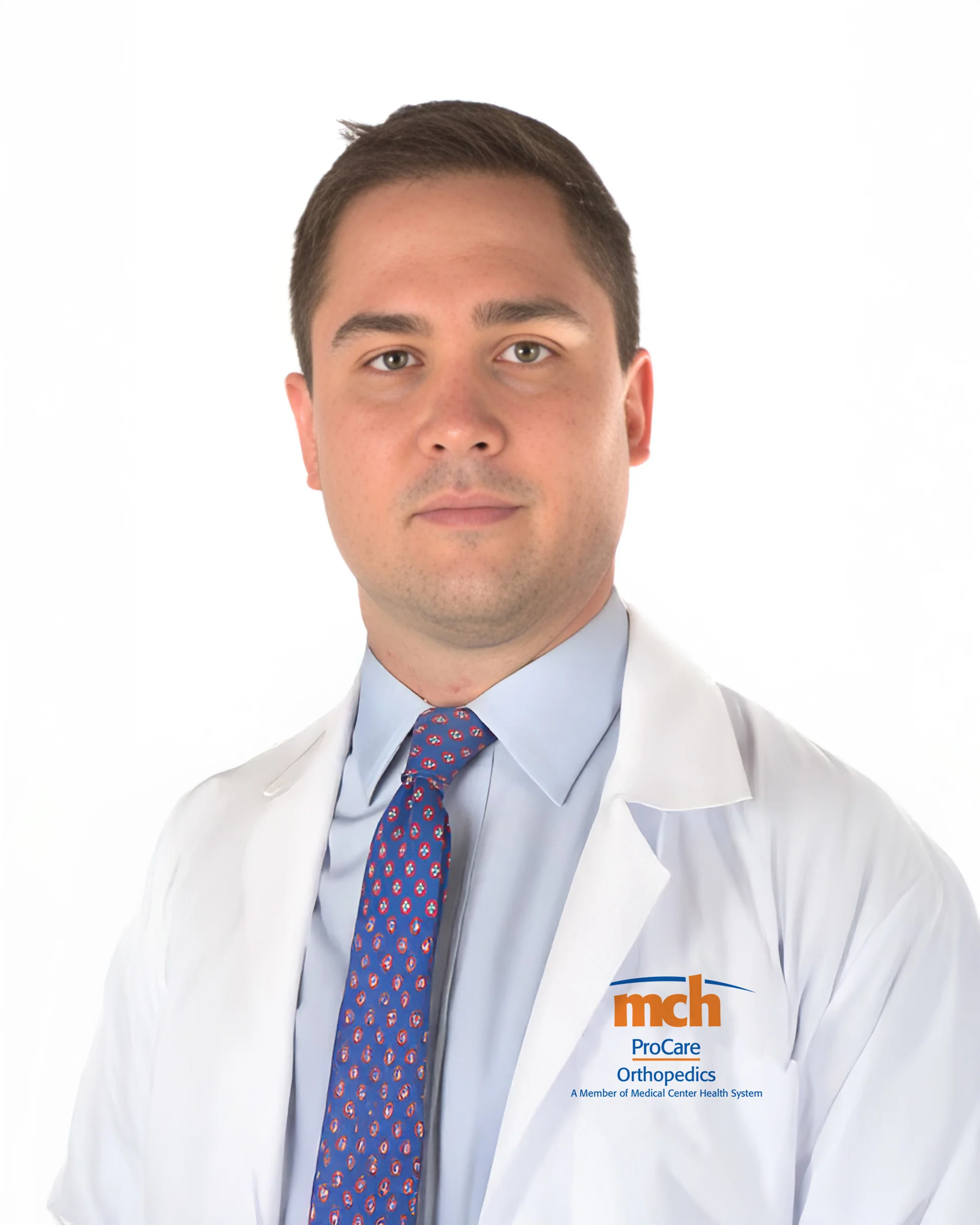
Dr. Freyder is a fellowship-trained Orthopedic Surgeon specializing in Sports Medicine and Arthroscopy (scope surgery) of the shoulder and knee. He is a member of the American Academy of Orthopedic Surgeons (AAOS). He received medical training from Tulane University in New Orleans, Louisiana. He completed his Orthopedic Surgery residency in Kalamazoo, Michigan from Western Michigan University. He then received fellowship training in Colombia, Missouri at the University of Missouri.